Skip to Content

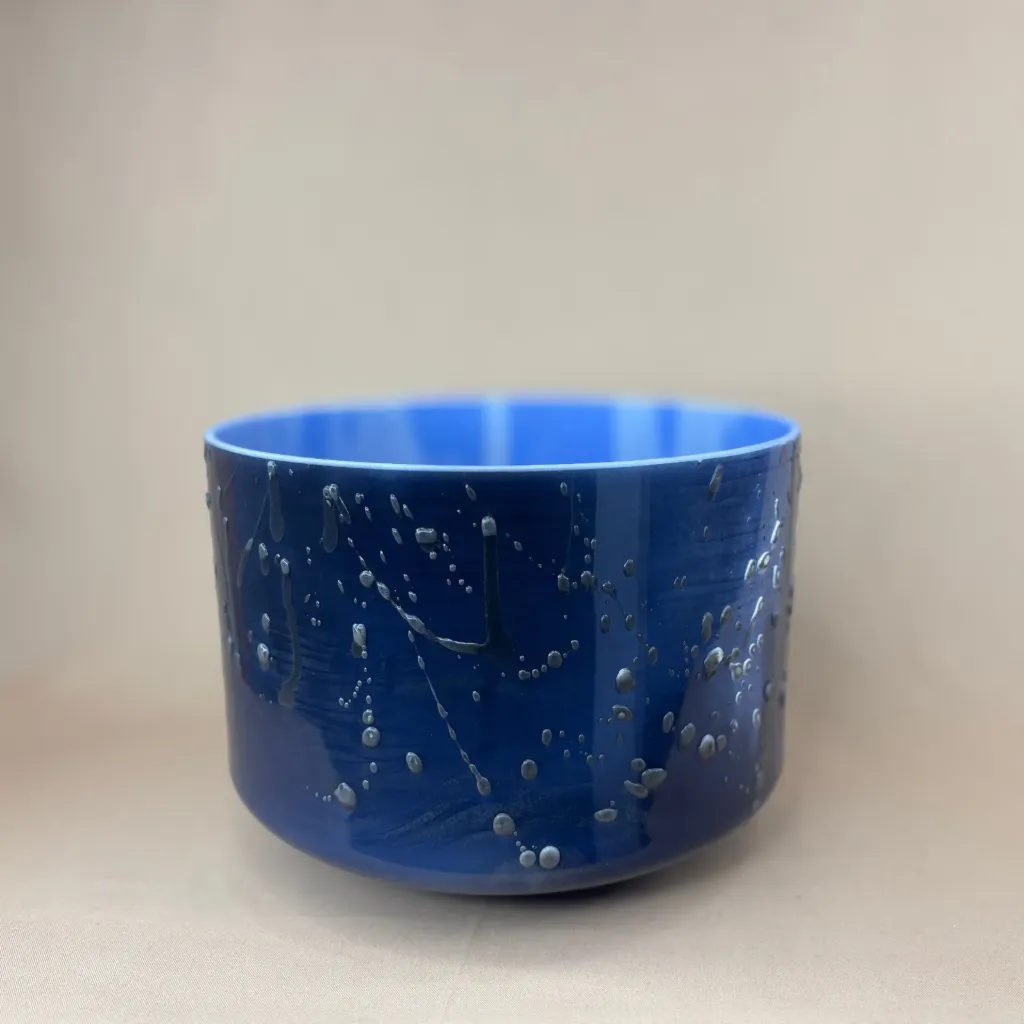
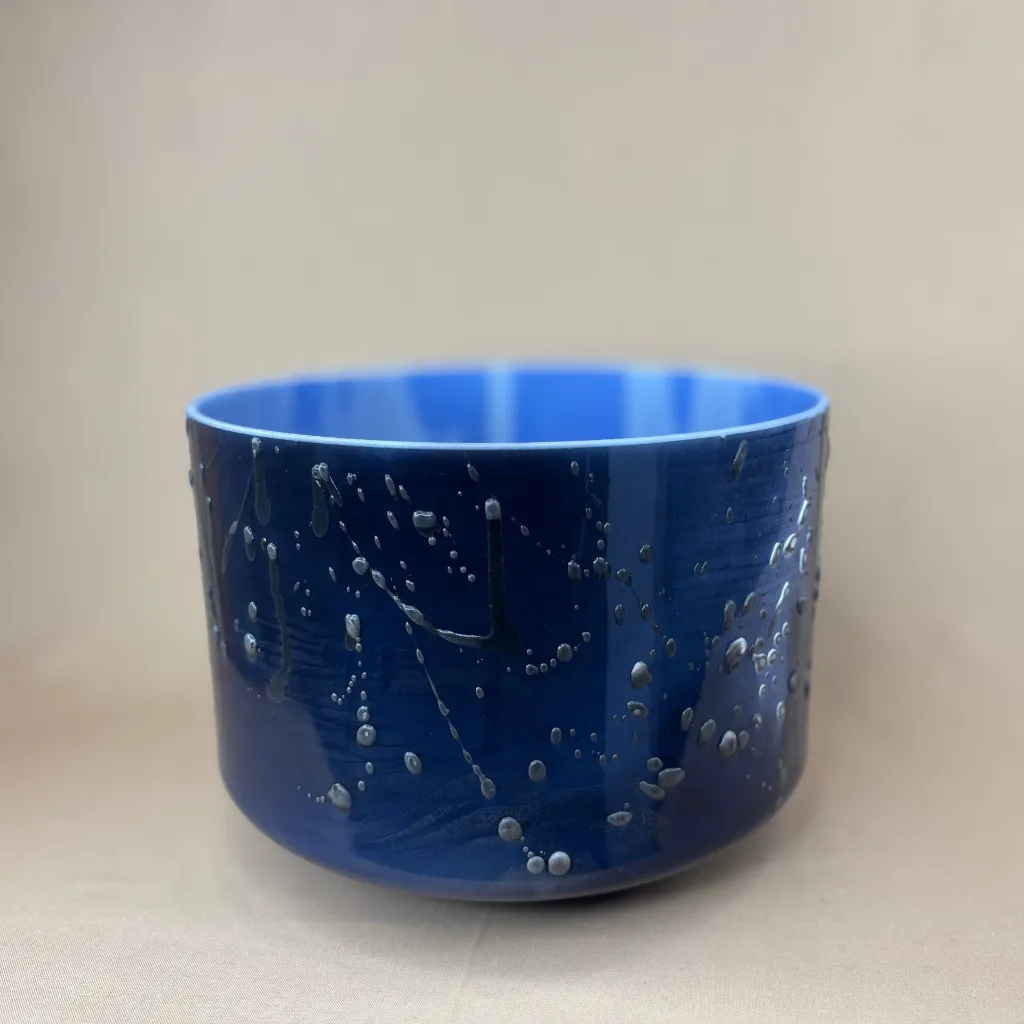
Lapis Quartz Crystal Singing Bowl | 9" D Note | #1093

I hold the space. You must step into it.

🎵 Size: 9" | Note: D | Cents: +5 | Frequency: 294 Hz | Tuning: A=440 Concert Pitch | Octave: 4 | A=432 Equivalent: D+34 | Bowl #: 1093 ✨ Element: Lapis Lazuli 💎 | Body Resonance: Torso, chest cavity, heart, lungs, solar plexus, diaphragm, mid-spine, core 🌬️ | Chakra Connections Western Diatonic: Sacral | Cycle of Fifths: Heart 💫

This lapis lazuli crystal singing bowl sounds in D at 294 Hz, resonating with the sacral chakra and the body's core—torso, chest cavity, heart, lungs, and mid-spine. Lapis lazuli supports authentic self-expression and mental clarity, traditionally valued for its connection to truth-telling and inner wisdom. When this ancient stone of celestial blue meets the creative, flowing energy of the D note, the result is an instrument that helps clear what's been held back and invites honest communication.

BEST FOR

  • Authentic expression and communication clarity
  • Teachers and presenters preparing to speak with confidence
  • Therapists and counselors transitioning between sessions
  • Writers and creatives breaking through blocks in self-expression
  • Anyone navigating difficult conversations or setting boundaries
  • Athletes and performers centering before moments that require voice
  • Evening reflection and processing the day's unspoken truths

ESSENCE

I am the blue that lives between twilight and midnight—dense, star-flecked, holding what you haven't yet said aloud. When your throat tightens before difficult truths, when you smile and say "fine" but mean something else entirely, I am here. I don't arrive gently. I come as a reckoning—not harsh, but honest. I hold the space. You must step into it.

THE ELEMENT

Lapis lazuli is a metamorphic rock formed when magma intrudes limestone under intense heat deep within the earth's crust. Its signature blue comes from lazurite, threaded with white calcite veining and golden pyrite flecks that catch light like sudden insights. For over six thousand years, humans have pulled this stone from Afghanistan's Sar-i-Sang mines, recognizing something sacred in its depths—a celestial bridge between inner knowing and outer voice.

Ancient Egyptians placed lapis on the deceased to invoke divine sight; Tibetan Buddhists incorporate it in malas for enlightened speech. The stone appears across cultures wherever authentic expression matters—in seals, amulets, and ritual objects designed to support truth-telling. Its traditional association with the throat chakra reflects what people have long observed: lapis creates conditions for speaking what has been swallowed.

When lapis lazuli is infused into quartz crystal through Divine Bowls' proprietary process, its molecular structure becomes part of what vibrates—not a surface coating, but a true integration. The stone's complex composition, that marriage of lazurite, calcite, and pyrite, creates a unique microstructure within the quartz. This is why people often describe this bowl's tone as having unusual depth and presence. When you work with this bowl, you're working with six millennia of human wisdom about voice and truth, crystallized into sound.

THE FREQUENCY

This bowl sounds in D at 294 Hz, resonating with the sacral chakra in the Western diatonic system. The D frequency carries a creative, flowing energetic quality—the note of emotional movement and authentic feeling. It vibrates through your torso, chest cavity, and core, the physical center where breath becomes voice.

The sacral chakra governs creativity, emotional honesty, and the capacity to feel fully. When lapis lazuli's truth-speaking properties meet this frequency of emotional flow, something interesting happens: the bowl doesn't just support speaking truth, it supports feeling truth first. The D note moves through the body's center, loosening what's been held, while lapis creates conditions for that loosened material to find words. People often notice they become more articulate after working with this combination—not because they've rehearsed what to say, but because they've cleared the constriction that was blocking it.

THE TUNING

This bowl resonates at 294 Hz. Using A=440 as reference—the universal standard for modern instruments—it plays D+5 cents. (Using A=432 as reference, this same frequency is D+34 cents.)

This bowl is categorized as Concert Pitch because its frequency falls within ±10 cents of A=440. Like a piano tuned to concert pitch, this bowl will sound in tune when played alongside guitars, keyboards, orchestras, or any instrument using standard tuning. If you're a musician wanting to incorporate singing bowls into your work, or if you simply want your bowl to blend with recorded music during personal practice, this compatibility makes integration effortless. The technical specifications include an A=432 equivalent (D+34) for those working with instruments tuned to that reference system.

(For fine adjustment, adding water to the bowl lowers the pitch slightly—a technique some use to dial in precise intervals when playing with other instruments.)

THE SIZE

At nine inches, this bowl produces fourth-octave tones with long, generous sustain—the kind that fills a room and continues singing after you've lifted the mallet. The full, rich volume makes it ideal for group settings, classrooms, yoga studios, or living rooms where you want sound to reach everyone present. It's equally powerful for solo use when you want immersive resonance rather than subtle background tone.

This size allows lapis lazuli's dignified, weighty presence to express fully. The bowl doesn't whisper; it speaks with the authority the stone has carried for millennia. The fourth-octave D resonance naturally targets the torso and core, grounding the creative, flowing energy in the body's center rather than letting it scatter. For anyone working with communication—whether preparing for a presentation, processing a difficult conversation, or simply wanting to feel more articulate—this size provides enough presence to command attention while remaining portable enough to move between rooms.

WORKING WITH THIS BOWL

Reach for this bowl when words feel stuck. Before difficult conversations. After days when you smiled through things you should have named. When you're preparing to speak publicly and want to feel grounded in your own voice rather than performing someone else's. When you've been giving care all day and need to remember what you actually think and feel.

Begin simply: play the bowl and listen. Notice where the sound lands in your body—most people feel it in the chest and throat. You might place one hand on your heart while the other holds the mallet, creating a circuit between the bowl's vibration and your own center. Breathe normally. You don't need to meditate or enter any special state. Just listen, and notice what rises. Some people find words coming—things they didn't know they needed to say. Others feel a physical release in the throat or jaw. Both are the bowl doing its work.

This bowl works beautifully at the start of team meetings when honest dialogue matters, in therapy rooms between sessions, in classrooms before discussions that require vulnerability, or at home when you need to process something before sleep. Teachers use it to create space for authentic student participation. Writers use it to break through the particular block that comes from not knowing what you actually want to say. Parents use it during homework time when frustration needs to move before focus can arrive.

Each Divine Bowls singing bowl includes a pure quartz mallet wrapped in premium silicone for optimal resonance, plus a silicone O-ring for stable playing on hard surfaces. Every bowl is formed in a single seamless vessel from 99.995% pure quartz—no welds, no weak points—built to last lifetimes of use.

INVITATION

Some things don't need rehearsal. They just need saying.

This bowl carries six thousand years of human wisdom about voice and truth, crystallized into sound. Lapis lazuli formed in fire and pressure—limestone meeting molten earth, transforming into something that holds both weight and clarity. That same quality lives in this instrument: grounded enough to steady you, clear enough to help words find their way out.

The D note resonates through your chest and core, the physical center where breath becomes voice. People reach for this bowl before difficult conversations, after days of swallowing what should have been said, when preparing to speak and wanting to feel like themselves rather than a performance. Teachers use it to create space for honest dialogue. Writers use it when they're blocked not by lack of ideas, but by not knowing what they actually want to say.

It's here. Nine inches of deep blue frequency, ready to fill a room or hold a quiet morning. No pressure, no urgency—just an instrument that does what lapis has always done: create conditions for truth to move from inside to out.

$ 1,053.00 $ 1,053.00

  • Size
  • Musical Note
  • Tuning
  • Clear or Opaque
✦  Handcrafted in Ohio  ✦  Ships same/next day  ✦  Quartz Mallet + O-ring included  ✦  Terms and Conditions 
Size: 9"
Musical Note: D
Tuning: A=440 Musician Tuning
Clear or Opaque: Opaque

Frequently asked questions

Here are some common questions about this bowl.

The D note at 294 Hz corresponds to the sacral chakra in the Western diatonic system, creating an unusual pathway for lapis lazuli's traditional throat chakra work. This bowl addresses the root of communication blocks—disconnection from authentic feeling—rather than fear of speaking itself. By activating emotional honesty in the body's core before moving to verbal expression, it serves people who can talk fluently but struggle to know what they actually mean. The sacral-to-throat progression makes articulation feel organic rather than forced.


This combination serves anyone whose communication challenge stems from emotional disconnection rather than performance anxiety. Teachers and presenters preparing to speak with genuine conviction, writers facing "I don't know what I want to say" blocks, therapists processing sessions where unspoken truths accumulated, and parents navigating difficult conversations where rehearsed words won't work. Athletes and performers use it to access authentic confidence before high-stakes moments. The D note's creative, flowing quality loosens what's been held while lapis creates conditions for that material to find words.

Most throat chakra bowls work in higher octaves targeting the neck and upper chest. This 294 Hz bowl vibrates through the torso, chest cavity, and core—the physical center where breath becomes voice. Rather than pushing expression outward from the throat, it clears constriction in the emotional body first. Practitioners report clients become more articulate not because they've rehearsed, but because they've reconnected with what they actually feel. It's the bowl for "I smile and say fine but mean something else entirely" rather than "I'm afraid to speak up."

Lapis lazuli directly addresses the creative block that stems from not knowing what you want to express—distinct from fear of judgment or perfectionism. The stone's six-thousand-year association with authentic voice combines with the D frequency's emotional flow to dissolve the particular paralysis of "I have nothing to say." Writers report accessing genuine material rather than performing what sounds good. Artists find clarity about which direction feels true. The bowl doesn't generate ideas; it clears the static between your authentic impulse and your conscious awareness of it.

At nine inches with fourth-octave resonance, this bowl produces full, rich volume with long sustain that fills rooms without overwhelming. The 294 Hz frequency carries lapis lazuli's dignified presence—it doesn't whisper, it speaks with the authority the stone has held for millennia. Ideal for yoga studios, classrooms, or living rooms where you want immersive sound that reaches everyone present. The size allows the bowl's truth-speaking quality to command attention while remaining portable. Practitioners use it to open group discussions requiring vulnerability or close sessions where unspoken material needs acknowledgment.

Yes. This bowl resonates at 294 Hz, which falls within concert pitch range (A=440 reference system). It plays D+5 cents, meaning it will sound in tune when played alongside guitars, keyboards, pianos, or any instrument using standard tuning. Musicians incorporating singing bowls into performances, or practitioners wanting bowls to blend with recorded music during sessions, find this compatibility makes integration effortless. The bowl also provides an A=432 equivalent (D+34 cents) for those working with instruments tuned to that alternative reference standard.